 EN
EN

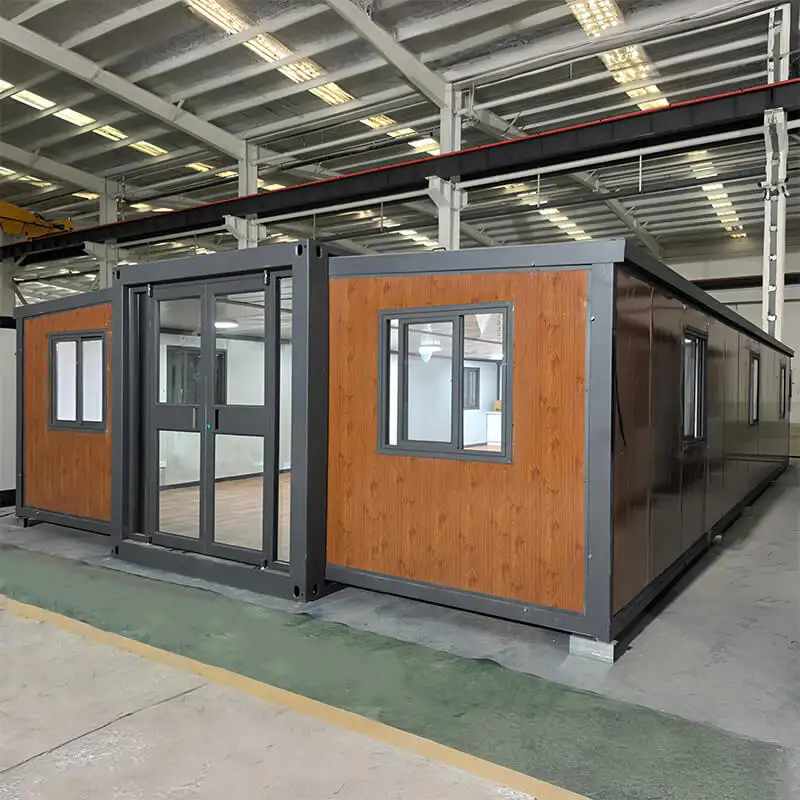
The architectural landscape is experiencing a revolutionary transformation with the emergence of innovative living solutions that challenge conventional housing concepts. Among these groundbreaking developments, space capsule homes represent a fascinating intersection of futuristic design and practical functionality that is captivating homeowners and architects worldwide. These compact, pod-like structures draw inspiration from aerospace technology while addressing modern housing challenges including space optimization, sustainability, and affordability in urban environments.
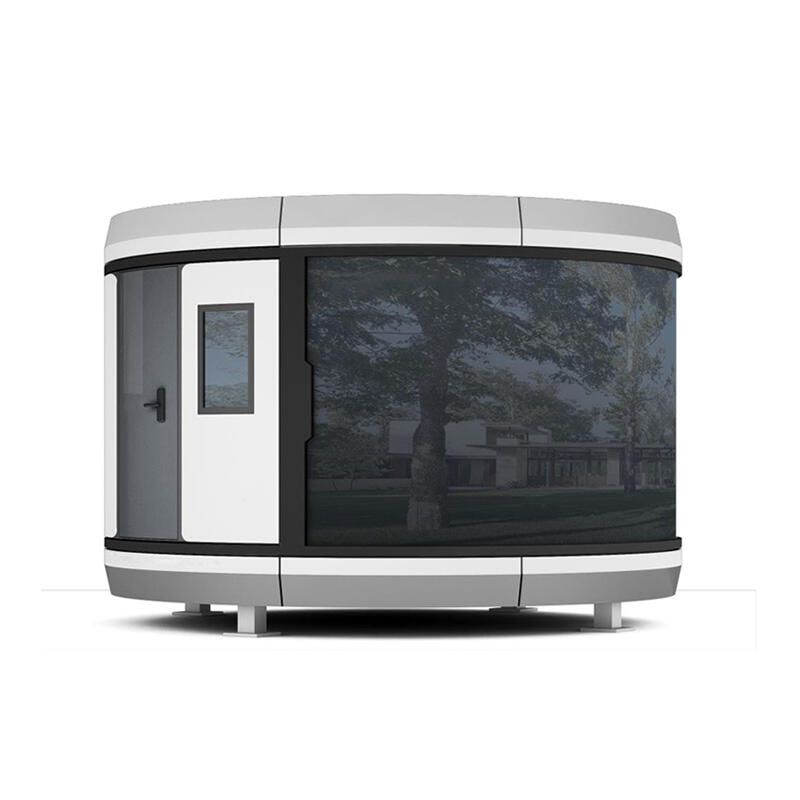
The global popularity surge of these distinctive dwellings stems from their remarkable ability to maximize living space within minimal square footage while incorporating cutting-edge technology and sustainable materials. Urban density challenges, rising property costs, and shifting lifestyle preferences toward minimalism have created the perfect storm for alternative housing solutions that prioritize efficiency over excess. This comprehensive exploration examines the multifaceted reasons behind the growing fascination with capsule-style living spaces and their potential to reshape residential architecture.
Origins and Design Philosophy Behind Space Capsule Architecture
Aerospace Engineering Influences on Residential Design
The conceptual foundation of space capsule homes draws heavily from decades of aerospace engineering innovations that prioritize maximum functionality within severely constrained spaces. Engineers designing spacecraft must optimize every cubic inch for essential systems while ensuring crew comfort and safety during extended missions. This same philosophy translates remarkably well to residential applications where urban land scarcity demands intelligent space utilization without compromising livability.
Modern capsule homes incorporate aerodynamic principles not just for aesthetic appeal but for practical benefits including improved wind resistance and energy efficiency. The streamlined exterior surfaces reduce air turbulence around the structure, minimizing heating and cooling loads while creating distinctive visual appeal that sets these homes apart from traditional rectangular constructions. Interior layouts mirror spacecraft design with multi-functional surfaces, integrated storage solutions, and modular components that can be reconfigured based on occupant needs.
Minimalist Philosophy and Functional Integration
The design philosophy underlying space capsule architecture embraces radical minimalism that goes beyond simple aesthetic choices to fundamental questions about human spatial needs. Every element serves multiple purposes, from walls that incorporate storage systems to furniture that transforms between configurations throughout the day. This approach forces designers and inhabitants to critically evaluate possessions and prioritize experiences over material accumulation.
Functional integration within these compact environments reaches extraordinary levels of sophistication with hidden compartments, fold-away surfaces, and automated systems that maximize usable space. Advanced engineering allows single rooms to serve as bedrooms, offices, dining areas, and entertainment spaces through clever mechanical transformations. The result is living environments that feel surprisingly spacious despite their compact footprints, challenging conventional assumptions about minimum space requirements for comfortable living.
Urban Housing Crisis and Alternative Solutions
Population Density Challenges in Major Cities
Metropolitan areas worldwide face unprecedented population growth that consistently outpaces available housing stock, creating affordability crises that push middle-class residents toward increasingly distant suburbs or substandard accommodations. Traditional construction methods cannot keep pace with demand while maintaining reasonable costs, leading urban planners and architects to explore radical alternatives that maximize occupancy within existing urban footprints.
Space capsule homes offer compelling solutions to density challenges by enabling higher occupancy rates on smaller lots through vertical stacking or cluster configurations. Individual units require minimal foundation work and can be installed in previously unusable spaces such as rooftops, narrow lots between buildings, or converted industrial sites. This flexibility allows cities to increase housing availability without expanding urban boundaries or requiring extensive infrastructure modifications.
Affordability and Accessibility Factors
Manufacturing techniques borrowed from automotive and aerospace industries enable space capsule home production at significantly lower costs than traditional construction methods. Factory-based assembly ensures consistent quality while reducing labor expenses and construction timelines that typically inflate housing costs. Standardized components and automated manufacturing processes create economies of scale that make these innovative homes accessible to broader demographic segments.
Financial accessibility extends beyond initial purchase prices to ongoing operational costs where energy-efficient designs and integrated smart home systems minimize utility expenses. Reduced maintenance requirements due to durable materials and simplified mechanical systems further enhance long-term affordability. These economic advantages make capsule homes particularly attractive to young professionals, empty nesters, and anyone seeking to reduce housing expenses without sacrificing comfort or functionality.
Technological Innovations Driving Popularity
Smart Home Integration and Automation
Contemporary space capsule designs incorporate sophisticated automation systems that transform compact living spaces into highly responsive environments adapting to occupant preferences and behaviors. Integrated sensors monitor temperature, humidity, air quality, and lighting conditions while automatically adjusting systems to maintain optimal comfort levels. Voice-controlled interfaces eliminate the need for traditional switches and controls, freeing up valuable wall space for other purposes.
Advanced home automation extends to space management with motorized furniture, retractable surfaces, and programmable lighting schemes that create different ambiances for various activities. These technological capabilities enable single spaces to feel like entirely different rooms depending on the time of day or intended use. Smart storage systems track inventory and suggest organization strategies while hidden compartments maximize security for valuables and personal items.
Sustainable Energy and Environmental Systems
Environmental sustainability features prominently in space capsule home designs with solar panel integration, rainwater collection systems, and advanced insulation materials that minimize environmental impact while reducing operational costs. Compact size inherently reduces resource consumption for heating, cooling, and lighting compared to traditional homes while enabling off-grid capabilities that appeal to environmentally conscious consumers.
Closed-loop systems for water recycling and waste management allow these homes to operate independently of municipal utilities in remote locations or during emergency situations. Air filtration systems maintain superior indoor air quality despite compact volumes while energy recovery ventilators maximize efficiency. These environmental innovations position capsule homes as forward-thinking solutions for consumers prioritizing sustainability alongside functionality and affordability.
Cultural Shifts Toward Minimalistic Living
Generational Preferences and Lifestyle Changes
Younger generations demonstrate markedly different housing preferences compared to previous demographics, prioritizing experiences over possessions and valuing flexibility over permanent commitments. Millennials and Generation Z consumers often prefer smaller, more manageable living spaces that require less maintenance and cleaning while enabling greater mobility for career opportunities or lifestyle changes. This cultural shift creates natural demand for compact, efficient housing solutions.
Remote work capabilities have fundamentally altered relationships between home and office spaces, reducing the need for large houses in expensive urban centers while increasing appreciation for well-designed compact environments. Space capsule homes cater to these evolving preferences by providing comfortable, technology-enabled living spaces that support modern work-life integration without the financial burden of oversized traditional homes.
Environmental Consciousness and Resource Awareness
Growing awareness of environmental challenges motivates many consumers to seek housing options with reduced carbon footprints and resource consumption patterns. Space capsule homes align perfectly with these values by demonstrating that comfortable living requires fewer resources than conventionally assumed. The visible efficiency of these designs serves as daily reminders of environmental stewardship while practical benefits reinforce sustainable lifestyle choices.
Material consciousness extends beyond environmental concerns to financial awareness where consumers increasingly question the value proposition of large homes filled with rarely-used possessions. Capsule living encourages mindful consumption and emphasizes quality over quantity in both possessions and experiences. This philosophical alignment attracts consumers seeking authentic expressions of environmental and social responsibility through their housing choices.
Global Market Expansion and Regional Adaptations
International Design Variations and Cultural Integration
Space capsule home designs adapt to diverse cultural preferences and regional requirements while maintaining core principles of efficiency and functionality. Japanese implementations emphasize traditional aesthetic elements and spatial harmony concepts while European versions incorporate energy standards and design regulations specific to various national contexts. These cultural adaptations ensure global appeal while respecting local architectural traditions and regulatory requirements.
Regional climate considerations drive significant design variations with tropical versions emphasizing ventilation and humidity control while arctic models prioritize insulation and heating efficiency. Material selections vary based on local availability and environmental conditions, creating distinctive regional characteristics while maintaining universal appeal. These adaptations demonstrate the flexibility of capsule design principles across diverse geographic and cultural contexts.
Market Penetration and Commercial Viability
Commercial success of space capsule homes in early adoption markets demonstrates strong consumer acceptance and provides validation for expanded production and marketing efforts. Positive reviews from initial residents and media coverage generate increased awareness and demand while manufacturing improvements reduce costs and enhance quality. This positive feedback loop accelerates market expansion and attracts additional manufacturers and suppliers.
Investment interest from both individual purchasers and commercial developers indicates growing confidence in long-term viability of capsule housing markets. Rental applications demonstrate income-generating potential while resale values provide evidence of sustained market demand. These economic indicators support continued innovation and market expansion while attracting traditional construction industry participation in capsule home development.
Future Prospects and Industry Evolution
Technological Advancement Trajectories
Continuing technological advancement promises even more sophisticated space capsule designs with enhanced automation, improved materials, and expanded functionality within existing size constraints. Artificial intelligence integration will enable predictive systems that anticipate occupant needs while advanced materials reduce weight and improve durability. These developments will further enhance the appeal and practicality of capsule living solutions.
Manufacturing innovations including 3D printing and robotic assembly will reduce production costs while enabling greater customization options for individual preferences and requirements. Standardized interfaces will allow modular expansion and component upgrades throughout the building lifecycle. These technological trajectories suggest continued evolution toward even more capable and attractive compact living solutions.
Regulatory Framework Development and Industry Standards
Regulatory adaptation to accommodate innovative housing solutions requires collaboration between manufacturers, government agencies, and industry organizations to develop appropriate safety standards and building codes. Early regulatory frameworks provide templates for broader adoption while ensuring public safety and consumer protection. These developments legitimize capsule homes within traditional construction industries and real estate markets.
Industry standardization efforts focus on quality assurance, safety protocols, and performance metrics that enable consumer confidence while facilitating market expansion. Professional certification programs for installers and maintenance technicians ensure proper implementation and ongoing support. These institutional developments provide foundation for sustained growth and mainstream market acceptance of space capsule housing solutions.
FAQ
What are the typical dimensions and living space of a space capsule home?
Most space capsule homes range from 150 to 400 square feet of interior space, with exterior dimensions typically measuring 12 to 20 feet in length and 8 to 12 feet in width. Despite compact footprints, intelligent design maximizes usable space through multi-functional furniture, vertical storage solutions, and efficient layouts that can comfortably accommodate one to two occupants with full amenities including kitchen, bathroom, sleeping, and work areas.
How much do space capsule homes cost compared to traditional housing?
Space capsule homes generally cost between $50,000 to $150,000 depending on size, features, and customization options, representing significant savings compared to traditional homes in most markets. Total cost of ownership remains lower due to reduced utility expenses, minimal maintenance requirements, and smaller insurance premiums. Financing options and rental applications further enhance affordability and accessibility for diverse income levels.
Are space capsule homes suitable for permanent residence or just temporary use?
Many space capsule homes are designed and built for permanent residence with full utilities, proper insulation, and durable construction materials that meet or exceed traditional building standards. Advanced climate control, sound insulation, and comfort features enable year-round occupancy in various climates. However, suitability depends on individual lifestyle preferences, family size, and local zoning regulations that may restrict placement or occupancy duration.
What utilities and infrastructure do space capsule homes require?
Basic space capsule homes require standard electrical connections and water supply, though many models offer off-grid capabilities with solar panels, battery storage, and water recycling systems. Waste management options include traditional septic connections or composting toilet systems depending on location and regulations. Internet connectivity and communication services integrate normally, while some advanced models include satellite communication capabilities for remote installations.