 EN
EN

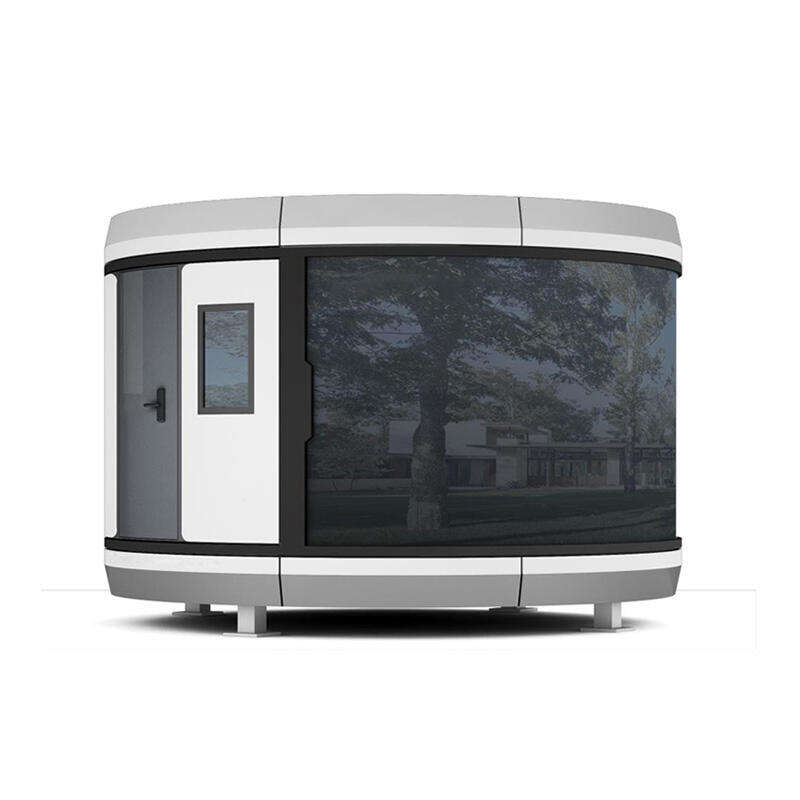
Modern living demands innovative solutions that maximize functionality while minimizing footprint. The revolutionary concept of a foldable house represents a breakthrough in space-efficient architecture, offering unprecedented flexibility for contemporary housing needs. These transformative structures challenge traditional construction methods by providing expandable living spaces that adapt to changing requirements while maintaining structural integrity and comfort.
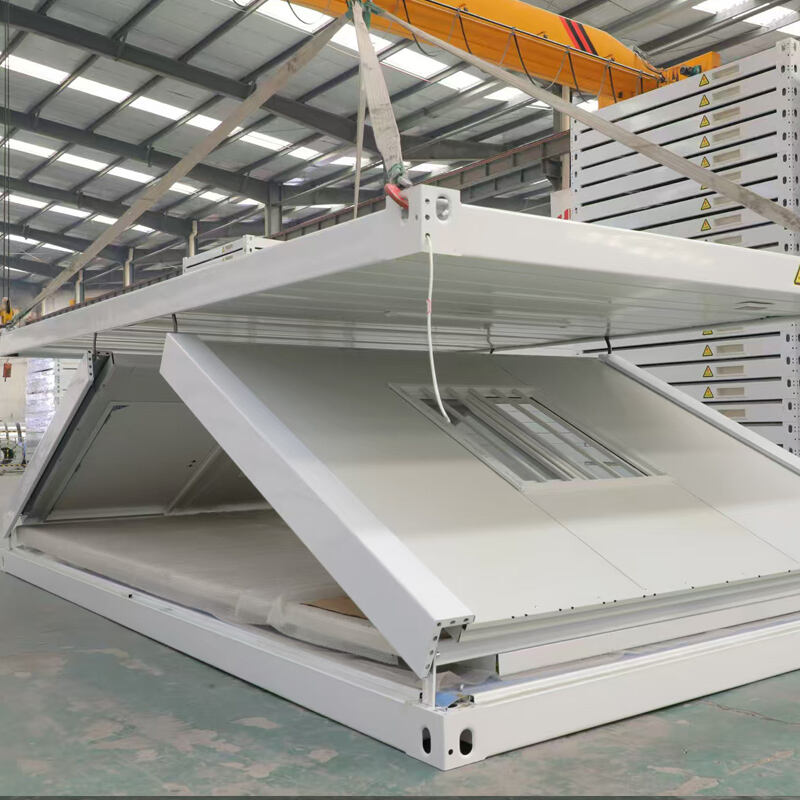
Revolutionary Design Principles of Expandable Architecture
Engineering Fundamentals Behind Collapsible Structures
The engineering behind a foldable house incorporates advanced material science and precision mechanical systems that enable seamless expansion and contraction. These structures utilize high-strength steel frames combined with lightweight composite panels that maintain durability while ensuring portability. The connection mechanisms feature specialized hinges and locking systems designed to withstand repeated folding cycles without compromising structural stability.
Advanced computational modeling allows engineers to optimize weight distribution and stress points throughout the folding process. The integration of hydraulic or pneumatic assistance systems enables smooth operation even for larger residential units. Quality control measures ensure that each component meets stringent safety standards while maintaining the flexibility required for efficient deployment.
Material Innovation in Space-Efficient Housing
Contemporary foldable house construction employs cutting-edge materials that balance strength, weight, and thermal performance. High-performance aluminum alloys provide structural integrity while remaining lightweight enough for manual assembly. Insulation systems utilize vacuum-sealed panels that compress during folding yet expand to provide excellent thermal resistance when deployed.
Smart glass technologies enable windows that maintain transparency while offering variable opacity and thermal control. These materials contribute to energy efficiency while ensuring that the folding mechanisms remain unobstructed. Advanced weatherproofing systems protect interior spaces regardless of the structure's configuration state.
Practical Applications Across Multiple Industries
Emergency Housing and Disaster Response
Emergency response organizations increasingly rely on foldable house solutions for rapid deployment in disaster-affected areas. These structures can be transported efficiently and assembled quickly to provide immediate shelter for displaced populations. The compact storage format allows multiple units to be transported simultaneously, maximizing relief efforts while minimizing logistical complexity.
Military and humanitarian applications benefit from the modular nature of these housing systems. Field hospitals, temporary command centers, and refugee accommodations can be established rapidly using standardized components that fold to fractional sizes for transportation. The durability of modern foldable house designs ensures reliable performance in challenging environmental conditions.
Commercial and Recreational Uses
The hospitality industry embraces foldable house technology for glamping sites and eco-tourism ventures that require minimal environmental impact. These structures can be seasonally deployed and removed without permanent site alteration, appealing to environmentally conscious travelers seeking unique accommodation experiences.
Construction companies utilize portable office solutions based on foldable house principles for temporary site facilities. The ability to quickly establish professional workspace environments that can be relocated as projects progress provides significant operational advantages. Event organizers similarly benefit from scalable venue solutions that adapt to varying crowd sizes and configurations.
Space Optimization Strategies and Techniques
Interior Layout Maximization
Effective space utilization within a foldable house requires strategic furniture selection and multi-functional design elements. Built-in storage systems integrate seamlessly with the folding mechanisms while providing essential organization capabilities. Convertible furniture pieces transform living areas from daytime social spaces to nighttime sleeping arrangements without compromising comfort.
Vertical space optimization techniques include loft areas accessible through integrated ladders or compact staircases that fold away when not needed. Ceiling-mounted storage systems and retractable work surfaces maximize floor space while maintaining accessibility. These design strategies ensure that every square foot serves multiple purposes throughout different daily activities.
Utility Integration and Infrastructure
Modern foldable house designs incorporate sophisticated utility systems that remain functional throughout the expansion process. Flexible plumbing and electrical connections accommodate structural movement while maintaining reliable service delivery. Solar panel arrays can be integrated into roof systems that adjust orientation during deployment for optimal energy capture.
Water storage and waste management systems utilize compact technologies that scale with the living space requirements. Smart home automation systems monitor and control environmental conditions while optimizing resource consumption. These integrated approaches ensure that space-saving housing solutions maintain the amenities expected in permanent residential applications.
Economic Benefits and Cost Considerations
Initial Investment and Long-Term Savings
The upfront cost of a foldable house varies significantly based on size, features, and customization requirements, but generally represents competitive value compared to traditional construction. Reduced foundation requirements and faster installation timelines contribute to overall project cost savings. The elimination of permanent site preparation in many applications further reduces initial investment requirements.
Long-term economic benefits include reduced maintenance costs due to the use of durable, weather-resistant materials and simplified structural designs. Energy efficiency features integrated into modern foldable house systems result in lower utility expenses over the structure's operational lifetime. The potential for relocation without reconstruction provides additional value for users whose needs may change over time.
Market Trends and Future Projections
Growing urbanization pressures and increasing land costs drive demand for innovative housing solutions like foldable house technologies. Market research indicates substantial growth potential in both developed and emerging markets as awareness of space-efficient living solutions increases. Government incentives for sustainable housing development further support market expansion.
Technological advancement continues to reduce production costs while improving performance characteristics. Mass production capabilities are developing to meet increasing demand while maintaining quality standards. Industry projections suggest significant market penetration over the next decade as consumer acceptance grows and regulatory frameworks adapt to accommodate innovative housing technologies.
Environmental Impact and Sustainability
Reduced Construction Footprint
Foldable house construction generates significantly less waste compared to traditional building methods due to precision manufacturing and standardized components. Factory-based production enables efficient material utilization and recycling of manufacturing byproducts. The reduced need for site preparation and foundation work minimizes environmental disruption in sensitive areas.
Transportation efficiency improvements result from the compact folded configuration, reducing fuel consumption and emissions associated with delivery. The ability to relocate structures without demolition prevents construction waste generation and preserves land use flexibility. These environmental benefits align with growing sustainability requirements in residential development.
Energy Efficiency and Resource Conservation
Advanced insulation systems and energy-efficient building envelopes in modern foldable house designs achieve superior thermal performance compared to many conventional structures. Integrated renewable energy systems reduce dependence on grid-supplied power while minimizing operational carbon footprints. Smart building technologies optimize resource consumption based on actual usage patterns.
Water conservation features including rainwater collection and greywater recycling systems maximize resource efficiency. The compact design inherently requires fewer materials for heating, cooling, and lighting, resulting in reduced energy consumption. Lifecycle assessments demonstrate favorable environmental profiles compared to traditional housing alternatives.
FAQ
What is the typical setup time for a foldable house?
Setup time varies depending on the size and complexity of the foldable house, but most residential units can be fully deployed within 2-6 hours using basic tools and 2-4 people. Larger commercial applications may require 8-12 hours for complete installation including utility connections. Professional installation services can reduce setup time and ensure proper configuration for optimal performance and safety.
How long do foldable houses last compared to traditional buildings?
Modern foldable house structures are designed for 20-30 year lifespans with proper maintenance, comparable to many traditional construction methods. The use of high-quality materials and precision engineering ensures durability despite repeated folding cycles. Regular inspection and maintenance of mechanical components can extend operational life significantly beyond initial design specifications.
Can foldable houses be customized for specific needs?
Most manufacturers offer extensive customization options including size modifications, interior layouts, utility specifications, and aesthetic finishes. Custom engineering services can accommodate unique requirements for specialized applications while maintaining structural integrity and folding functionality. Modular design principles allow for future expansion or reconfiguration as needs evolve.
What permits are required for installing a foldable house?
Permit requirements vary by location and intended use, with temporary installations often requiring fewer approvals than permanent structures. Many jurisdictions classify foldable houses as temporary or mobile structures, simplifying the approval process. Consultation with local building authorities early in the planning process ensures compliance with applicable codes and regulations.