 EN
EN

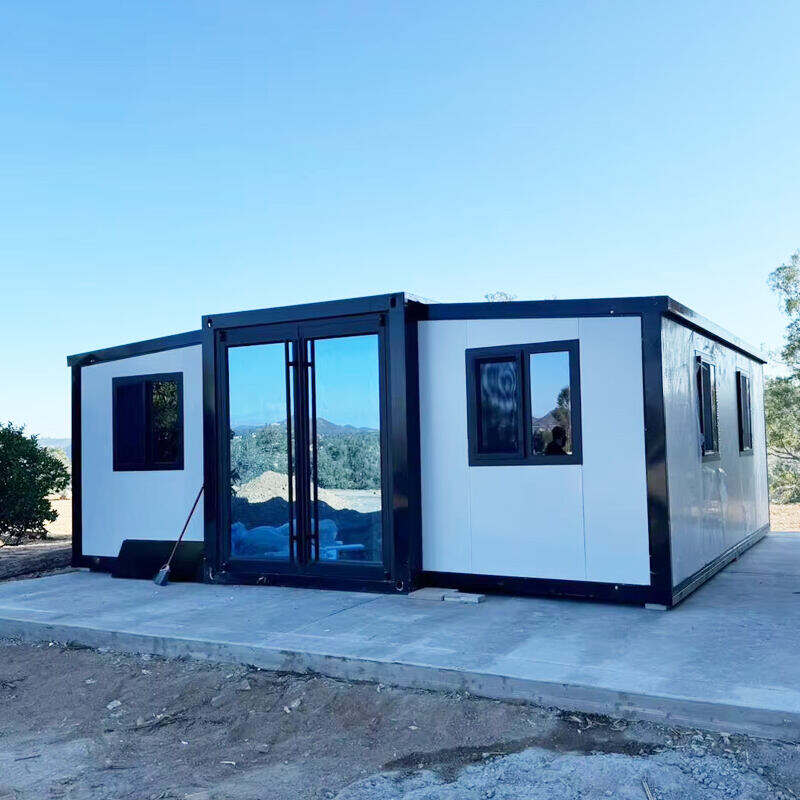
The housing industry has undergone a remarkable transformation in recent years, with innovative construction methods challenging traditional building approaches. Among these revolutionary concepts, the foldable house represents a paradigm shift in how we think about residential construction, combining portability with permanent living solutions. These structures offer an intriguing alternative to conventional homes, promising rapid deployment, cost-effectiveness, and surprisingly robust living conditions. As urbanization pressures mount and housing affordability becomes increasingly challenging, many are questioning whether these modular solutions can truly deliver both comfort and long-term durability.
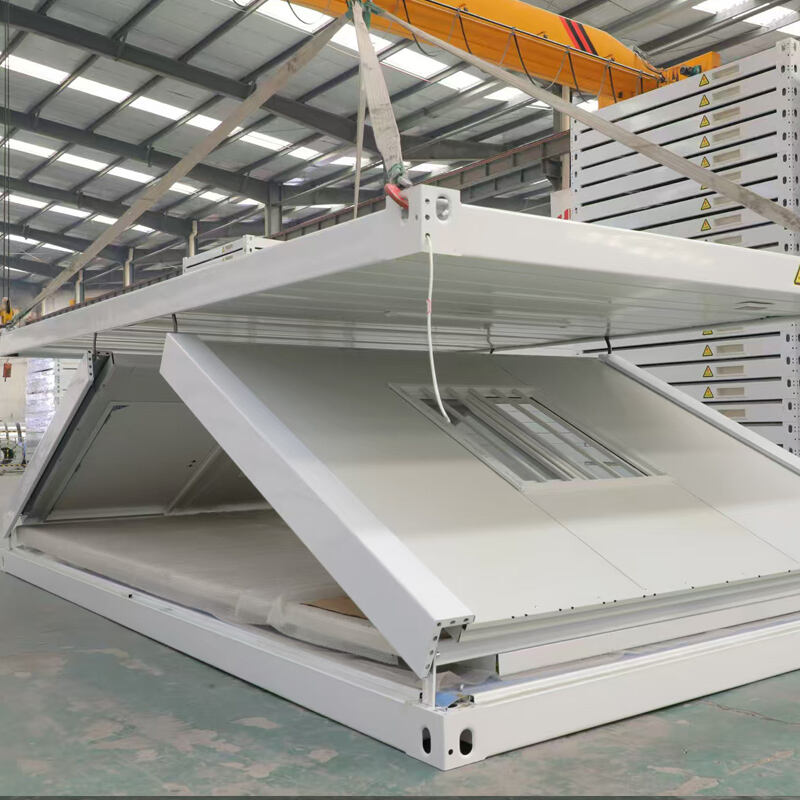
Engineering Excellence in Foldable House Construction
Advanced Structural Framework Systems
Modern foldable house designs incorporate sophisticated engineering principles that ensure structural integrity while maintaining portability. The framework typically utilizes high-strength steel or aluminum alloys, engineered to withstand significant loads and environmental stresses. These materials undergo rigorous testing to meet international building standards, ensuring that the portable nature of the structure does not compromise its ability to provide safe, secure shelter. The joints and connection points feature precision-engineered mechanisms that lock securely into place, creating a rigid structure once fully deployed.
The folding mechanism itself represents years of engineering refinement, incorporating hydraulic or mechanical systems that allow for smooth, efficient deployment. These systems are designed with redundancy in mind, ensuring that even if one component fails, the structure can still be safely erected and secured. The precision manufacturing processes used in creating these components result in consistently reliable performance across multiple deployment cycles.
Material Science and Durability Standards
Contemporary foldable house construction employs cutting-edge materials specifically chosen for their durability-to-weight ratios. Composite materials, advanced polymers, and treated metals work together to create structures that can withstand decades of use while remaining lightweight enough for efficient transportation. These materials undergo extensive testing for weather resistance, including exposure to extreme temperatures, UV radiation, and moisture penetration.
The exterior cladding systems typically feature multi-layer construction with integrated insulation, vapor barriers, and weather-resistant finishes. These components are designed to provide equivalent or superior performance compared to traditional construction materials, while offering the added benefit of being replaceable or upgradeable as technology advances. Quality assurance protocols ensure that each component meets strict specifications before assembly.
Comfort Features and Living Standards
Interior Design and Space Optimization
A well-designed foldable house maximizes every square foot of available space through intelligent interior planning and multi-functional design elements. Open floor plans create a sense of spaciousness while modular furniture and built-in storage solutions help maintain organization and functionality. High ceilings and strategically placed windows enhance the feeling of openness, while carefully planned room divisions provide privacy when needed.
The interior finishes in quality foldable structures often rival those found in traditional homes, featuring hardwood floors, modern cabinetry, and contemporary fixtures. Smart storage solutions, including hidden compartments and convertible spaces, allow residents to maintain their belongings without compromising living areas. These design innovations ensure that occupants do not feel like they are sacrificing comfort for portability.
Climate Control and Environmental Systems
Modern foldable houses incorporate sophisticated HVAC systems that maintain comfortable interior temperatures year-round. These systems are often more energy-efficient than traditional home heating and cooling systems, utilizing advanced insulation, smart thermostats, and zoned climate control. The compact nature of these structures actually works to their advantage, requiring less energy to heat or cool the interior spaces effectively.
Integrated renewable energy systems, such as solar panels and battery storage, can make foldable houses completely self-sufficient in terms of power generation. Advanced air filtration systems ensure excellent indoor air quality, while moisture control systems prevent humidity-related issues that could affect both comfort and structural integrity. These environmental systems are designed to operate reliably in various climatic conditions.
Durability Testing and Performance Standards
Structural Integrity Assessment Methods
Rigorous testing protocols ensure that foldable house structures meet or exceed traditional building standards for safety and durability. These tests include seismic simulation, wind load testing, and long-term fatigue analysis to verify that repeated folding and unfolding cycles do not compromise structural integrity. Advanced computer modeling and physical stress testing provide comprehensive data on structural performance under various conditions.
Independent certification bodies often verify the testing results, providing third-party validation of structural claims. These certifications are essential for regulatory approval and insurance purposes, ensuring that foldable houses can be legally occupied as permanent residences in most jurisdictions. The testing processes continue to evolve as new materials and construction techniques are developed.
Long-Term Performance Monitoring
Manufacturers of quality foldable houses typically implement comprehensive monitoring programs to track long-term performance across their product lines. These programs collect data on structural performance, material degradation, and user satisfaction over extended periods. This information feeds back into the design process, driving continuous improvements in both durability and comfort features.
Field studies of deployed structures provide valuable real-world performance data that laboratory testing cannot fully replicate. These studies track everything from joint integrity to interior comfort levels across different climatic zones and usage patterns. The resulting database of performance information helps establish realistic expectations for lifespan and maintenance requirements.
Economic Advantages and Market Applications
Cost-Effectiveness Analysis
The economic benefits of foldable houses extend beyond their initial purchase price to include reduced construction time, lower transportation costs, and minimal site preparation requirements. Traditional construction projects often face delays and cost overruns due to weather, labor shortages, or supply chain issues, while foldable structures can be deployed in days rather than months. This speed of deployment translates into significant cost savings for both developers and end users.
Maintenance costs for well-designed foldable houses are often lower than traditional structures due to the use of advanced materials and simplified mechanical systems. The ability to relocate the structure also provides economic flexibility, allowing owners to adapt to changing circumstances without the financial burden of selling and purchasing new property. Energy efficiency features further reduce ongoing operational costs.
Market Versatility and Applications
Foldable houses serve diverse market segments, from emergency housing and temporary worker accommodations to permanent residential solutions and vacation homes. Their versatility makes them attractive to various user groups, including those seeking affordable homeownership, temporary housing solutions, or unique architectural experiences. The growing acceptance of alternative housing solutions has expanded the potential market significantly.
Commercial applications include temporary offices, retail spaces, and hospitality accommodations in remote locations. The ability to quickly establish comfortable, durable structures in previously inaccessible areas opens new business opportunities across multiple industries. This market versatility helps drive economies of scale that benefit all users through lower costs and improved quality.
FAQ
How long does a foldable house typically last with regular use
A well-constructed foldable house can last 20-30 years or more with proper maintenance, comparable to many traditional construction methods. The lifespan depends on factors such as material quality, environmental conditions, usage frequency, and maintenance practices. High-quality structures using advanced materials and precision engineering often exceed these timeframes, with some manufacturers offering warranties of 15-25 years on structural components.
Can foldable houses withstand severe weather conditions like hurricanes or earthquakes
Modern foldable houses are engineered to meet regional building codes for wind and seismic loads, often exceeding the performance of traditional construction. The flexible joint systems and lightweight construction can actually provide advantages during seismic events, while proper anchoring systems ensure stability in high winds. However, specific performance capabilities vary by manufacturer and model, so verification of local code compliance is essential.
What utilities and services can be connected to a foldable house
Foldable houses can accommodate standard utility connections including electricity, water, sewer, internet, and gas services. Many models include pre-installed utility connection points and internal systems that simplify hookup processes. Off-grid configurations are also possible using solar power, well water, septic systems, and satellite communications, making these structures suitable for remote locations where traditional utilities are unavailable.
How much maintenance is required for a foldable house compared to traditional homes
Maintenance requirements for quality foldable houses are typically lower than traditional construction due to advanced materials and simplified systems. Regular maintenance includes inspection of joints and seals, cleaning of exterior surfaces, and standard upkeep of mechanical systems. The modular nature of components often makes repairs easier and less expensive, with many parts being replaceable rather than requiring extensive reconstruction work.